

Everything You Need to Know About Line Arrays
- Everything You Need to Know About Line Arrays
- Introduction to Line Arrays for Pro Audio Buyers
- What Is a Line Array?
- Definition of Line Array Systems for Live Shows
- How Line Arrays Work
- Acoustic Principles Behind Line Arrays
- Key Components of a Line Array Speaker
- Cabinets, Drivers, Horns and Rigging Hardware
- Active vs Passive Line Arrays
- Choosing Between Active and Passive Line Array Systems
- Design and Coverage: Splay Angles, Arrays, and Line Length
- Design Tips for Accurate Audience Coverage
- Low-Frequency Management: Subs and Cardioid Designs
- Integrating Subwoofers with Line Array Systems
- Processing, Tuning and System Optimisation
- Using DSP, Delay and EQ for Line Array Performance
- Installation and Rigging Safety for Line Array Deployment
- Safe Rigging Practices and Regulatory Compliance
- Common Installation Mistakes and How to Avoid Them
- Practical Tips to Avoid Coverage and Safety Issues
- Buying vs Renting Line Arrays: Cost and Business Considerations
- How to Decide Whether to Buy Line Arrays for Your Business
- Applications: Where Professional Line Arrays Shine
- Best Uses: Concerts, Festivals, Houses of Worship, Clubs and Rental Shows
- Why Choose T.I Audio Line Arrays
- T.I Audio: Experienced Line Array Manufacturer for Global Markets
- Checklist for Buying Professional Line Arrays
- Quick Buying Guide: Key Questions and Commercial Considerations
- Conclusion: Making Confident Line Array Choices
- Final Advice for Selecting and Using Line Arrays
- Frequently Asked Questions
Everything You Need to Know About Line Arrays
Introduction to Line Arrays for Pro Audio Buyers
Line arrays are the backbone of modern pro audio for large-scale live sound and events. If you plan to buy line array systems for concerts, festivals, houses of worship, or rental business, understanding fundamentals such as how line array speakers work, coverage design, and tuning is essential. This guide explains line arrays in simple terms and gives practical buying and setup advice for professional line array use.
What Is a Line Array?
Definition of Line Array Systems for Live Shows
A line array is a vertical column of loudspeaker cabinets (line array speakers) designed to deliver controlled, consistent sound over long distances. Professional line arrays use multiple identical drivers in each cabinet and carefully designed splay angles to produce even coverage for audiences at concerts, festivals, and large indoor/outdoor events. If you plan to purchase a line array system, look for predictable coverage and consistent frequency response across the listening area.
How Line Arrays Work
Acoustic Principles Behind Line Arrays
Line arrays rely on wave interference: multiple acoustic sources placed closely along a vertical axis combine to create a more directional and coherent wavefront. This reduces vertical dispersion and produces long-throw coverage with reduced drop-off in sound pressure level (SPL) compared with single point-source speakers. Professional line arrays typically provide predictable audience coverage and can deliver 120–140 dB SPL peak in front rows for large concerts.
Key Components of a Line Array Speaker
Cabinets, Drivers, Horns and Rigging Hardware
Each line array cabinet contains mid/high drivers, dedicated waveguides or horns, and often a dedicated low-frequency driver. Modern line arrays can be passive (requiring external amplifiers) or active (with built-in amplifiers and DSP). Rigging hardware and precise mechanical connecters are essential for safe deployment. When sourcing a line array manufacturer, verify rated working load limits and certified rigging components to meet event safety standards.
Active vs Passive Line Arrays
Choosing Between Active and Passive Line Array Systems
Active (powered) line arrays include onboard amplifiers and DSP, offering simplified setup, built-in protection, and optimized processing for each cabinet. Passive arrays require external amplifiers and crossovers but can be cost-effective for existing fleets and rental houses with established amplifier inventories. If you want plug-and-play reliability and consistent tuning across venues, consider active professional line arrays from a reputable manufacturer.
Design and Coverage: Splay Angles, Arrays, and Line Length
Design Tips for Accurate Audience Coverage
Coverage control is achieved by selecting the number of cabinets, splay angles between elements, and array curvature. Shorter arrays provide wider near-field coverage; longer arrays create tighter vertical control for long throws. Typical splay angles between adjacent cabinets range from 0° to 15°, depending on the cabinet design. Proper array design ensures even SPL across the audience and minimizes reflections from ceilings and walls—critical for venues like churches and conference halls.
Low-Frequency Management: Subs and Cardioid Designs
Integrating Subwoofers with Line Array Systems
Line arrays handle mid/high and some low frequencies, but true LF extension and impact come from subwoofers. Cardioid subwoofer arrays or end-fired configurations reduce stage bleed and deliver tighter bass to the audience. For outdoor concerts and festivals, ground-stack or flown sub configurations should be planned for low-frequency coverage and sound control. Renting or buying professional subs matched to your line array speaker is essential for balanced sound.
Processing, Tuning and System Optimisation
Using DSP, Delay and EQ for Line Array Performance
Digital signal processors (DSP) are essential for modern line arrays. DSP provides crossover management, time alignment, FIR/IIR filtering, limiting and preset-based tuning. Use system-specific presets from the line array manufacturer when possible and refine tuning to the venue with measurement microphones and real-time analyzers. For rental and touring businesses, consistent presets reduce setup time and increase reliability across different venues.
Installation and Rigging Safety for Line Array Deployment
Safe Rigging Practices and Regulatory Compliance
Rigging line arrays requires certified hardware, trained technicians and adherence to local codes. Manufacturers typically specify a safety factor (often 5:1 or higher) for rigging components—always follow those guidelines and local regulations. Inspect shackles, frames, and motor hoists before each use. For permanent installs in houses of worship or conference centers, hire structural engineers when ceiling loads are involved and choose a line array manufacturer that provides full rigging documentation.
Common Installation Mistakes and How to Avoid Them
Practical Tips to Avoid Coverage and Safety Issues
Common mistakes include incorrect array curvature, poor aiming, insufficient DSP tuning, and mismatched subs. Avoid these by pre-planning coverage maps, using manufacturer presets, checking splay angle indicators on cabinets, and performing acoustic measurements during soundcheck. If you're buying a line array system for rental or touring, invest in training for your crew to reduce setup time and increase client satisfaction.
Buying vs Renting Line Arrays: Cost and Business Considerations
How to Decide Whether to Buy Line Arrays for Your Business
Deciding to buy or rent depends on usage, budget and business model. Buying line arrays is cost-effective if you run frequent events, own a venue, or operate a rental company. Renting is flexible for occasional events. When buying, factor in purchase price, transport cases, rigging frames, amplifiers (for passive systems), and ongoing maintenance. Compare total cost of ownership and choose a line array manufacturer with proven after-sales support and service networks.
Applications: Where Professional Line Arrays Shine
Best Uses: Concerts, Festivals, Houses of Worship, Clubs and Rental Shows
Line arrays are ideal for concerts, large-scale music festivals, houses of worship, weddings, government conferences, clubs and professional sound rental shows. For indoor arenas, conference halls and outdoor festivals, line array systems deliver clear speech intelligibility and musical fidelity over long audience distances—making them the preferred choice for pro audio engineers and rental companies.
Why Choose T.I Audio Line Arrays
T.I Audio: Experienced Line Array Manufacturer for Global Markets
T.I Audio is a leading pro audio manufacturer based in China with 14 years of experience producing line arrays, PA speakers, stage monitors, subwoofers, amplifiers, active line arrays and more. With over 100 production line staff, a 10,000+ m² factory, an 8-person engineering team with 20+ years of system design experience, and 50 international salespeople supporting branches in 10 countries, T.I Audio supports customers in 100+ countries. If you want to buy line array systems backed by engineering expertise and global sales support, T.I Audio offers reliable products and dealer opportunities worldwide.
Checklist for Buying Professional Line Arrays
Quick Buying Guide: Key Questions and Commercial Considerations
When evaluating line array speakers, ask: What is the intended audience size and maximum throw? Are you buying active or passive cabinets? What subwoofer configuration is recommended? Does the manufacturer provide rigging hardware, presets and training? What warranty and after-sales service are offered? These questions help you select a line array system that meets performance and commercial requirements.
Conclusion: Making Confident Line Array Choices
Final Advice for Selecting and Using Line Arrays
Line arrays are powerful tools for delivering consistent, high-SPL sound to large audiences. Focus on coverage design, low-frequency integration, DSP tuning and safe rigging. Whether you buy or rent, partner with a reputable line array manufacturer that provides documentation, presets and service support. For customers who need professional line arrays with global support, T.I Audio combines years of engineering experience and a wide product range to serve concerts, festivals, churches and rental businesses worldwide.
Frequently Asked Questions
What is the difference between a line array and a point-source speaker?A line array uses multiple identical cabinets to form a coherent vertical wavefront for long-throw and consistent coverage. Point-source speakers radiate sound from a single enclosure and are better for small venues or near-field applications.
How do I decide between active and passive line arrays?Choose active line arrays for simplified setup, built-in DSP and consistent presets. Choose passive arrays if you already own compatible amplifiers and seek lower initial cabinet cost. Consider total system cost, transport and crew skills.
How many line array cabinets do I need for a concert?Array length depends on venue size, throw distance and cabinet design. Small venues may need 4–8 cabinets per side; large arenas and festivals can use 12–24+ cabinets per side. Work with the manufacturer or a system tech to model coverage and SPL.
Do I need special training to rig line arrays?Yes. Rigging requires certified hardware and trained technicians. Follow manufacturer rigging manuals, local regulations and use the recommended safety factors. For permanent installs, consult structural engineers.
Can line arrays be used outdoors in rain or bad weather?Some line array cabinets have weather-resistant options; however, electronic components are sensitive to moisture. Use weather protection, follow manufacturer guidance, and avoid exposure to extreme conditions when possible.
How important is DSP tuning for line arrays?DSP tuning is essential. It provides crossover management, time alignment, EQ and limiting. Manufacturer presets are a good starting point, but on-site measurement and adjustment give the best results.
Where can I buy or become a dealer for T.I Audio line arrays?Visit T.I Audio’s official website at https://www.ti-audio.com/ to explore product ranges, find dealer opportunities, and contact international sales for purchasing and distribution inquiries.
Budget Line Array Systems: Affordable Options for Small Venues
Setup Tips: Optimizing Line Arrays and Point Source Speakers
OEM/ODM subwoofer 12 inch Manufacturers and supplier
OEM/ODM concert line array speakers company Manufacturers and supplier in China
After-sales
The products have some problems.
Sorry for the inconvenience caused to you. We will provide feedback to the factory later. Can you send me pictures and videos? I'll explain the situation to our engineering team and then get back to you, okay?
Shipping
The freight is high.
Yes,shipping by express will be very expensive. Do you have your own forwarder to deal with the shipment?
Products
Could you tell me which one is selling well recently?
We would like to share with you a series of hot styles that are very novel and our sales champion this month. I have enclosed the picture and our preferred price for your reference. I believe that you can certainly win very good sales in your area.
Company
What exhibition are you attending?
We attend Carton Fair, the Hong Kong Fair, overseas large-scale exhibitions, etc.
Payment
Because it is the first cooperation, I need you to complete the goods before I can pay, I promise I will pay, okay?
We need confirmation of the 50% deposit.
This is the first time that we have cooperated. This is a kind of cooperation guarantee for us. If you are still worried, you can pay by Alibaba Trade Assurance, which is also very suitable for your first purchase.

T.I Pro Audio waterproof passive dual 15 inch best line array speakers (max215)
MAX215 was born for big outdoor events, such as concerts, church, crusades, etc. With its 100% waterproof design, it can be used in strong sunlight or heavy rain without worrying about any safety problems. Max215 with LF: 2*ND15 driver MF: 2 *ND10'' Neodymium drivers; HF: 2 *ND3” Neodymium drivers. It can cover more than 5,000 people. This product was very popular after its launch because of its unique, patented appearance and perfect sound. And quickly occupy market share. Help large projects get powerful and perfect sounds.
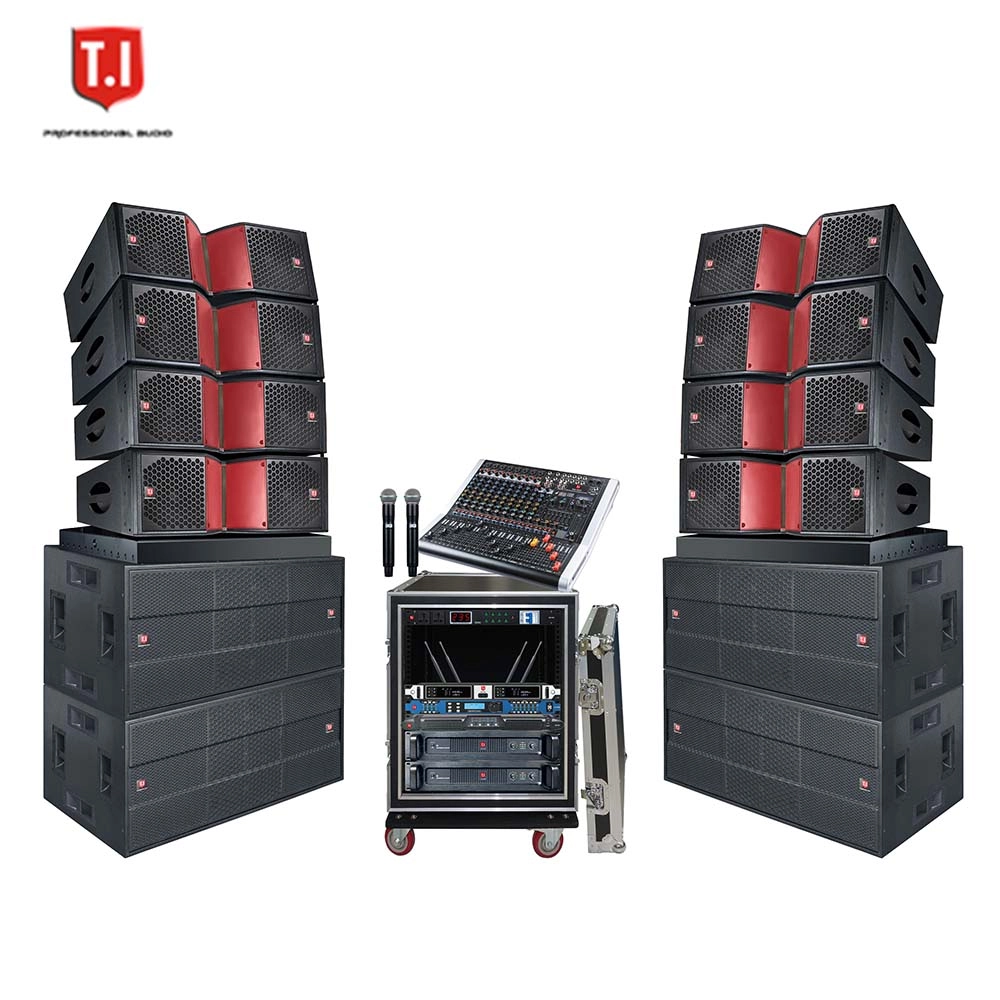
T.I Pro Audio new design waterproof linear array speakers dual 12-inch live sound outdoor concert speaker
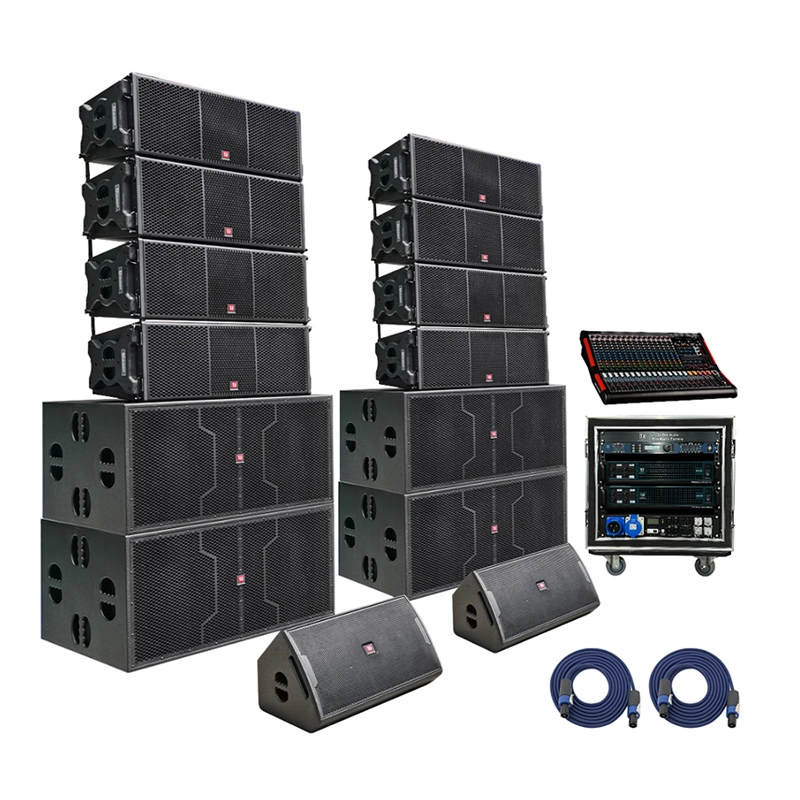
T.I Pro Audio Waterproof Passive Dual 12 Inch Two Way Powered Line Array Speakers For Church (LA-2122)
LA-2122 uses a neodymium unit to ensure its high sensitivity, small size and light weight.The surface is black, high-strength polyurea paint.The 134dB maximum sound pressure level output makes LA-2122 stress-free in medium- and large-scale mobile performance applications.
 Scan QR Code
T.IProAudioFactory
t.i_audio
T.I Pro Audio
Lisa Han
t.i_audio