

What is the sample rate for pro audio? | T.i Audio Guide
Demystifying sample rates for professional audio. Learn about common rates, their impact on quality, and choosing the right one for your projects. Brought to you by T.i Audio.
Understanding Sample Rates in Pro Audio
In the world of professional audio, the term sample rate pops up frequently. But what exactly *is* it, and why does it matter? Simply put, the sample rate is the number of samples of audio taken per second to digitally represent a sound. It's measured in Hertz (Hz) or Kilohertz (kHz), so a sample rate of 44.1 kHz means 44,100 samples are taken every second.
Why is Sample Rate Important?
The sample rate directly affects the highest frequency that can be accurately recorded and reproduced. The Nyquist-Shannon sampling theorem states that the sample rate must be at least twice the highest frequency you want to capture. Since human hearing typically ranges from 20 Hz to 20 kHz, a sample rate of at least 40 kHz is needed to capture the full audible spectrum.
What are the Common Sample Rates Used in Pro Audio?
Here's a breakdown of some of the most common sample rates:
* **44.1 kHz:** This is the standard sample rate for CDs and is widely used in digital audio production. It's a good balance between audio quality and file size.
* **48 kHz:** This is commonly used for audio in video production and professional audio recording. Many professionals prefer this due to its slight improvement in high-frequency response compared to 44.1 kHz.
* **88.2 kHz & 96 kHz:** These higher sample rates offer even better audio quality and are often used for archival purposes or when the highest possible fidelity is desired. They capture more detail, potentially benefiting complex sounds or instruments.
* **192 kHz:** While offering the highest sample rate of the common options, the real-world audible benefits beyond 96 kHz are often debated, and the increase in file size is significant. Used primarily when upsampling/downsampling, or time stretching.
Which Sample Rate Should I Use for My Project?
Choosing the right sample rate depends on your specific project and goals. Here's a general guideline:
* **Music Production (Distribution on CD/Streaming):** 44.1 kHz or 48 kHz.
* **Audio for Video:** 48 kHz is standard.
* **Archival or High-Fidelity Recording:** 88.2 kHz, 96 kHz, or 192 kHz.
* **Film/High-End Audio:** 96 kHz or 192 kHz. (often due to downstream delivery requirements.)
Consider the trade-off between audio quality and file size. Higher sample rates require more storage space and processing power.
Does a Higher Sample Rate Always Mean Better Audio?
Not necessarily. While a higher sample rate *can* capture more detail, it doesn't automatically guarantee a better-sounding recording. The quality of your microphones, preamps, and recording environment all play a significant role. Furthermore, the audible difference between 44.1 kHz and 96 kHz may be subtle to many listeners, especially on common playback systems. It is important to know that some plugins may introduce aliasing issues if oversampling is not turned on.
Can I Convert Between Sample Rates?
Yes, you can convert between sample rates using audio editing software. However, this process (known as sample rate conversion) can introduce artifacts if not done carefully. It's generally best to record at the desired sample rate from the start, if possible. High-quality sample rate converters should be used for best results.
Recommended for you
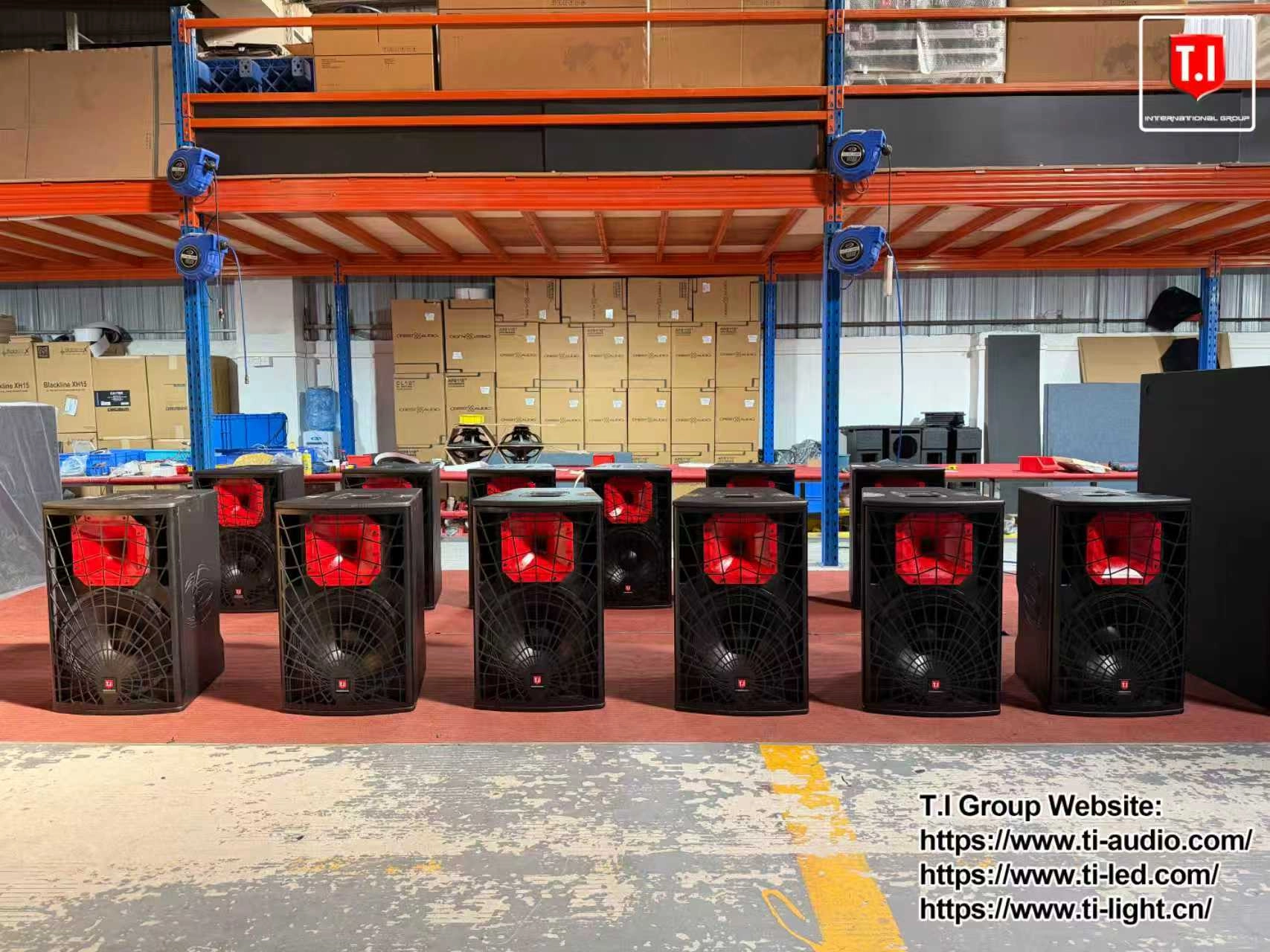
T.I Production Line: From Professional Audio Manufacturing to One-Stop AV System Integration

Congo Customer Visits T.I Pro Audio for On-Site Inspection of MAX215 System
Solving Stage-Rental Pain Points — With T.I Audio as Your One-Stop Partner
T.I Group Supplies 16 LA-215 Dual 15" Line Array and 12 LA-221 Dual 21" Subwoofers for Benedi Records Guinea
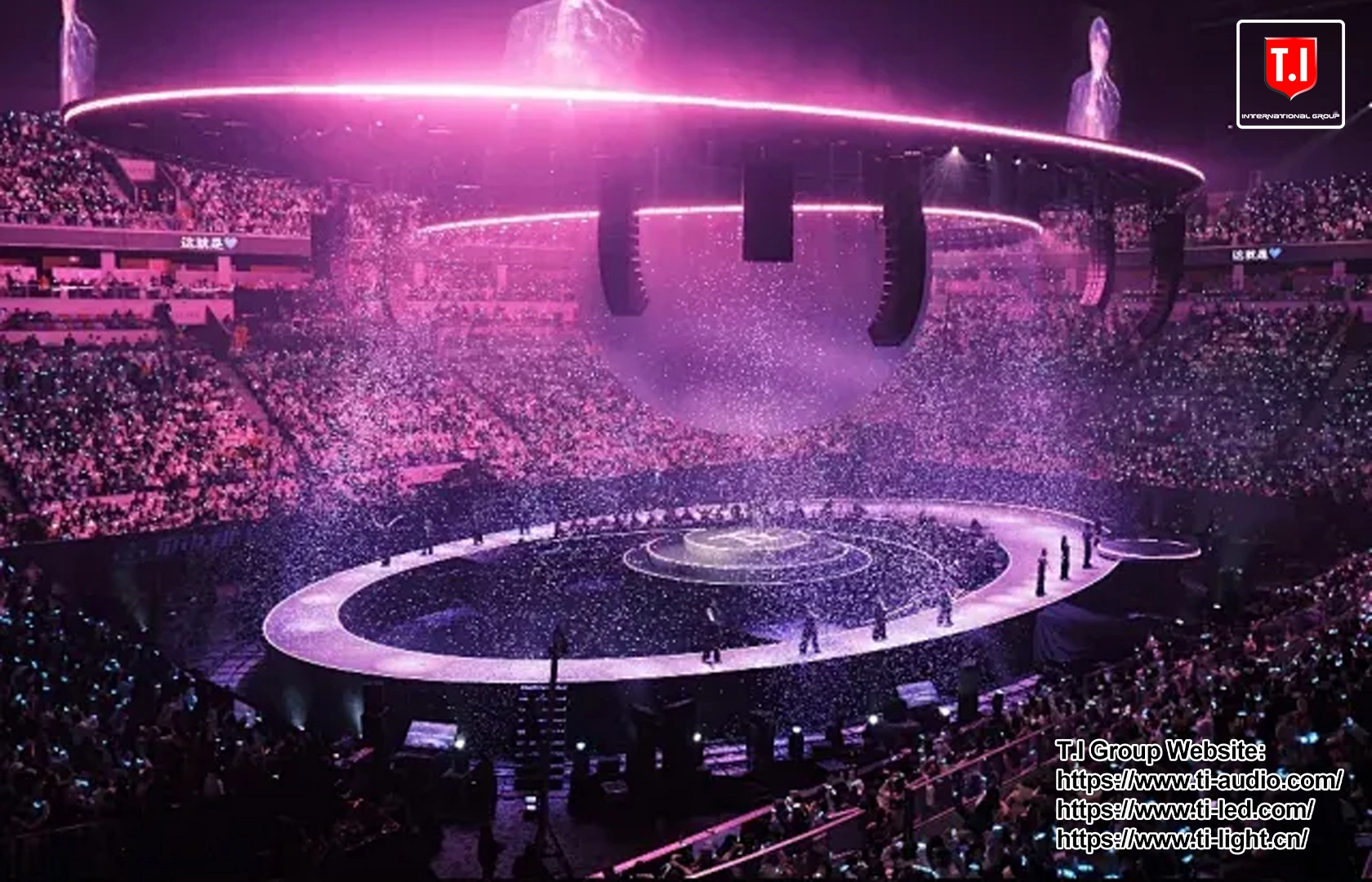
How T.I’s 15-Year Export Experience Makes It the Trusted Choice for Professional AV Integrators Worldwide
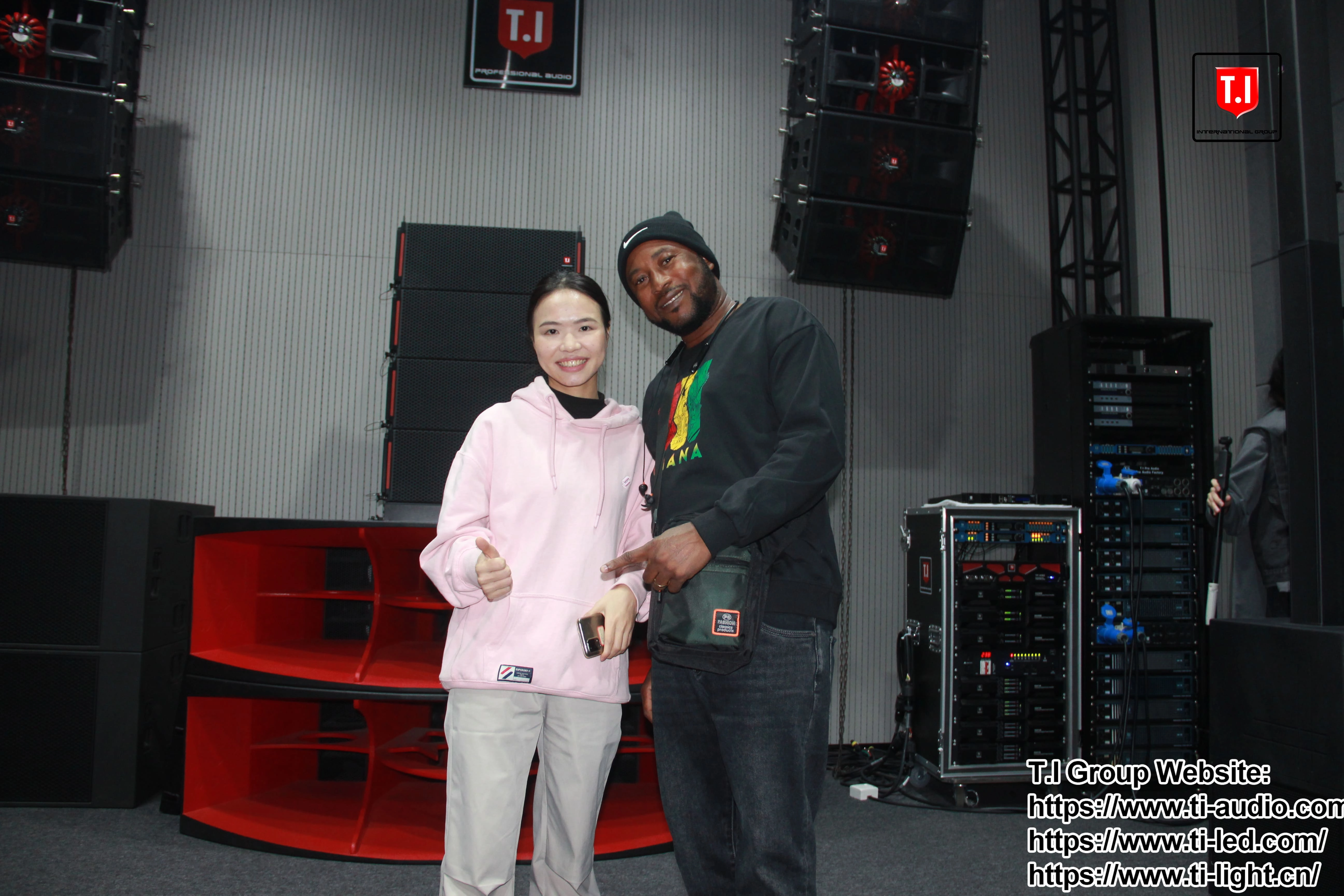
Ghana Client Visited T.I to Complete Full Planning for His Integration Project
Customization
What is your fast production delivery?
We usually need 15-20 working days for delivery time, but if you have any special or confirmed orders today, I will try to apply for a top urgent order with a faster delivery time for you, my friend.
Can customize my own brand?
Of course, my friend. We can help put your logo on the flightcases of goods for free, only for you.
As for product, Yes, sure, we accept OEM. If you need to customize your own logo, our minimum order quantity is ~pcs, and the cost is also different. Are you the person in charge of this project? You may want to discuss it with your team. Check it out and update our quotation after confirmation.
Solution
For covering how many people events?
Let's make a suitable plan for you according to your requirements.
Company
Where is your factory ? customer wanna go there and have a check?
Of course, my friend, you will be warmly welcome when you come.
We are in Panyu district, Guangzhou city. Let me send you our location later.
Products
The price is expensive
I totally get it if you find the price to be expensive. We always strive to provide the best value for our products, taking into consideration factors like quality, materials, and production costs. However, I'd be happy to discuss your specific needs and explore any potential options.
What's the quantity? I'll see if we can ask our engineers to see if it is possible to reduce some configurations for you.
Get In Touch
Start exploring now and unlock the power of knowledge with us!
You can leave us a message in the form so that we can provide you with the right answer faster.
One of our professionals will get in touch with you as soon as possible.
You may also like
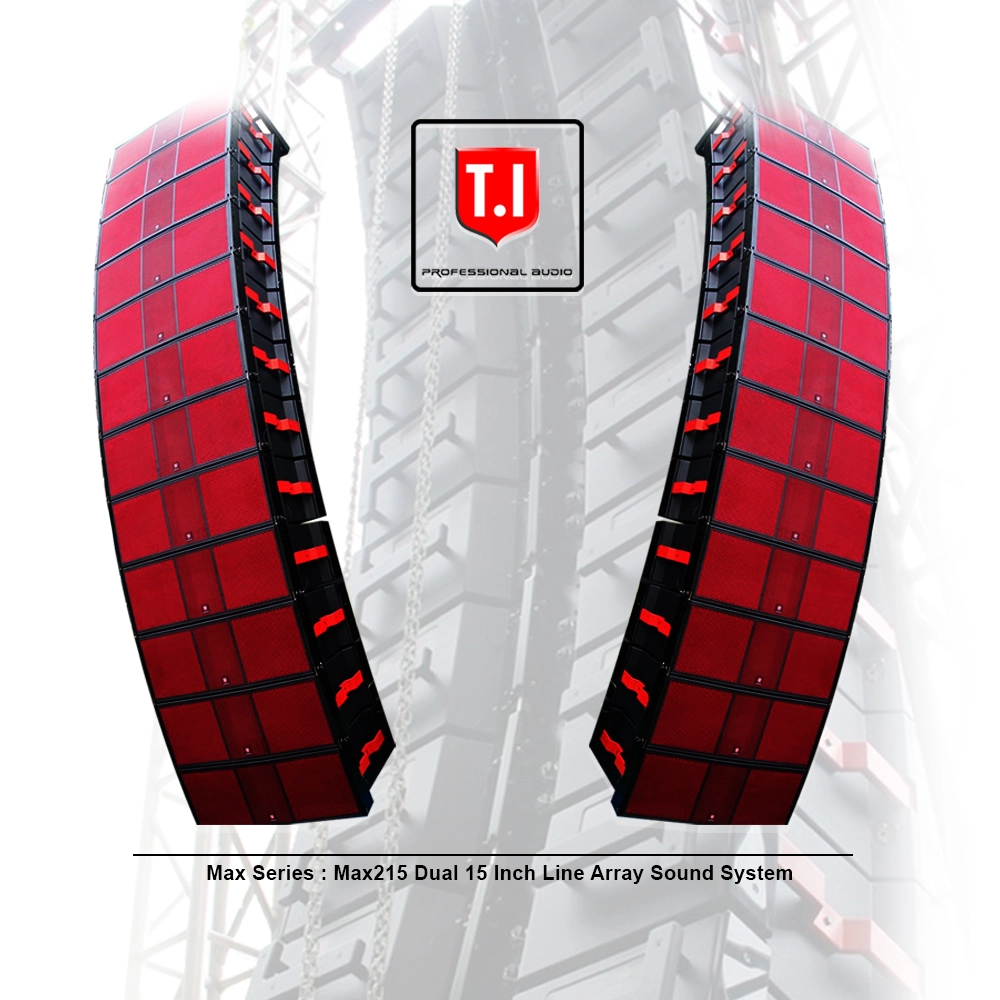
T.I Pro Audio waterproof passive dual 15 inch best line array speakers (max215)
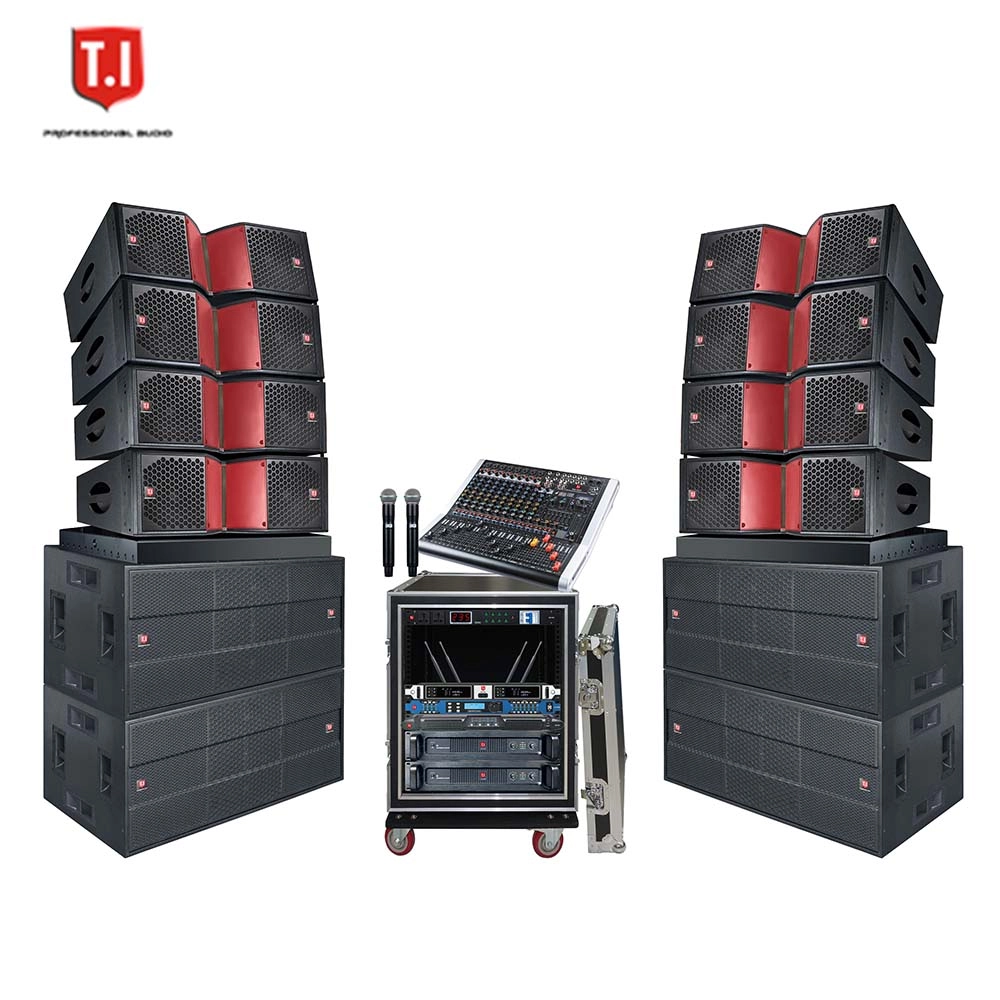
T.I Pro Audio new design waterproof linear array speakers dual 12-inch live sound outdoor concert speaker
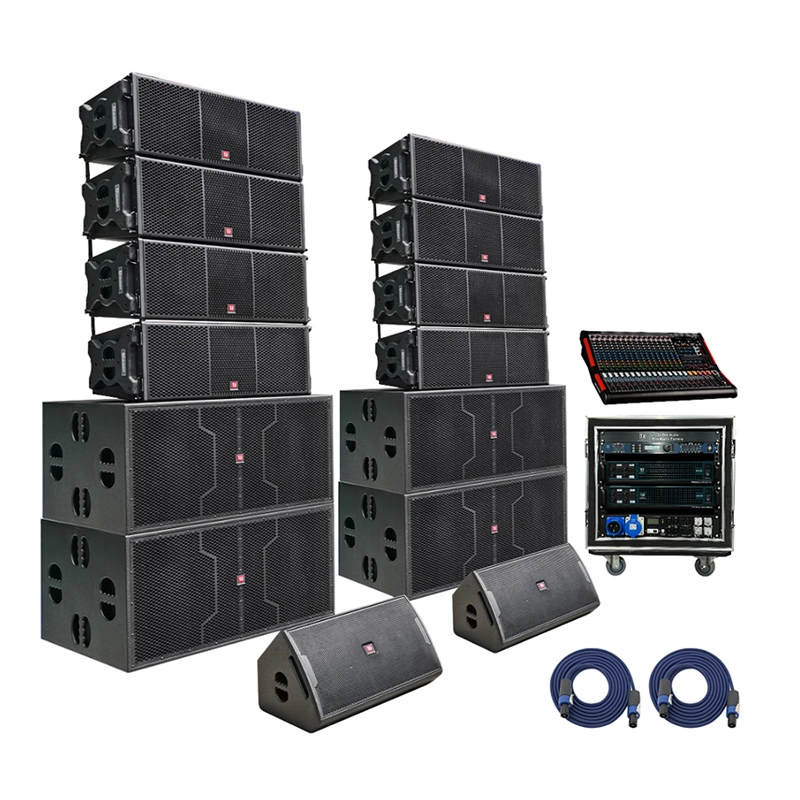
T.I Pro Audio Waterproof Passive Dual 12 Inch Two Way Powered Line Array Speakers For Church (LA-2122)
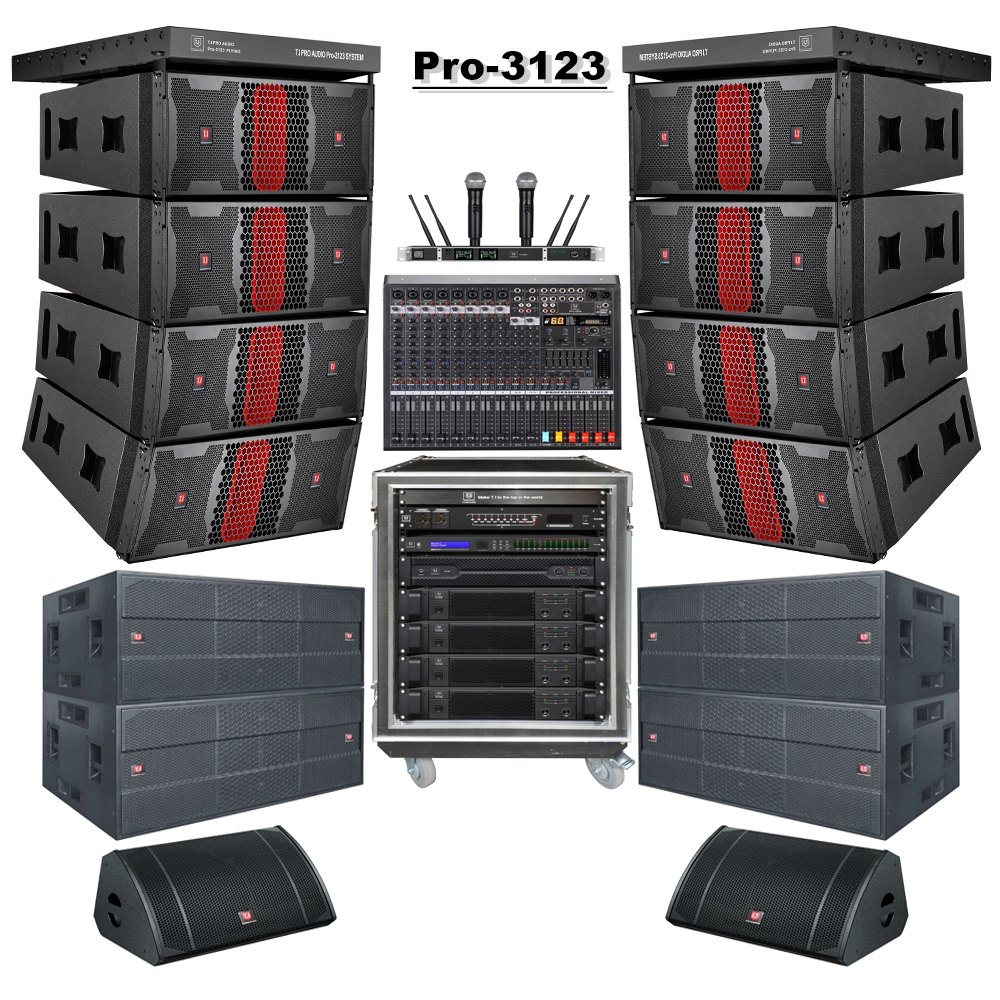
T.I Pro Audio PRO-3123 Dual 12-Inch 3-Way Line Array System with PRO-218A Subwoofer | Stadium, Concert, Theater Sound Solution
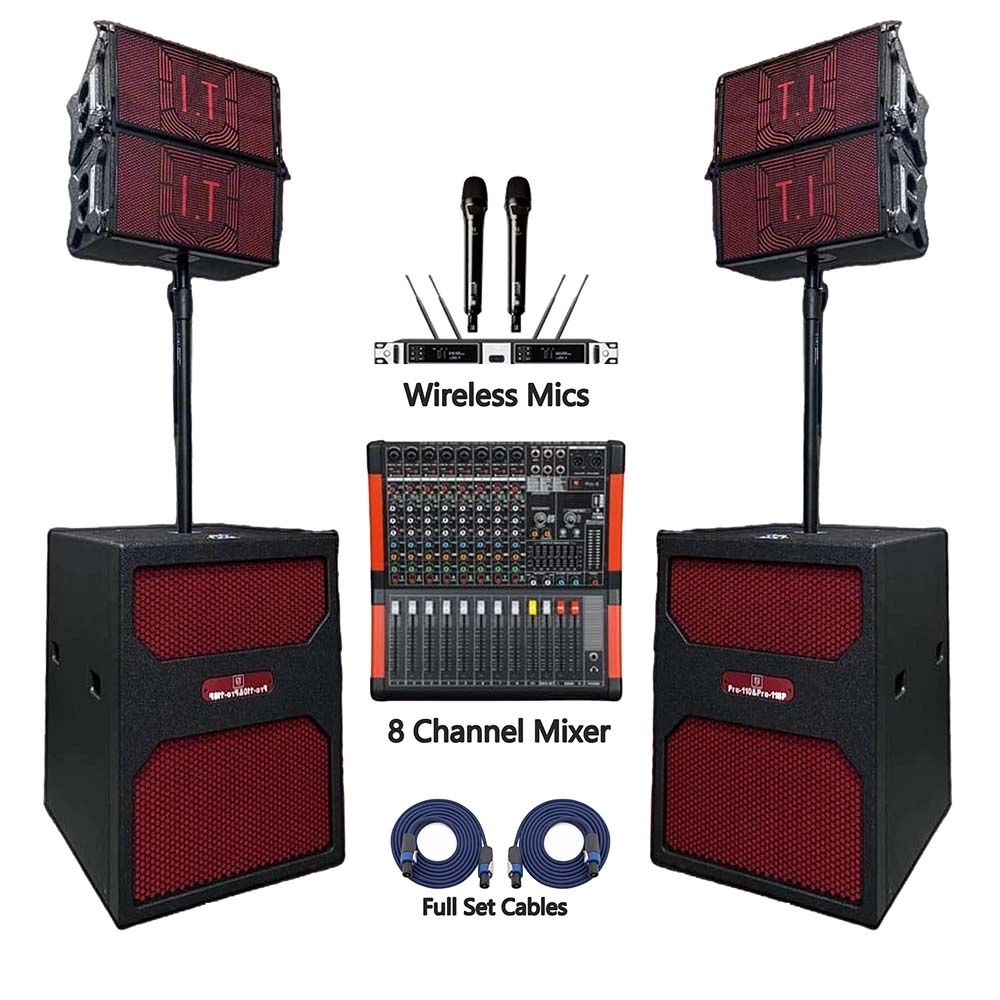
T.I Pro Audio professional audio speakers indoor outdoor concert speaker single 10 inch passive line array
T.I Pro Audio mini waterproof passive line array speakers dual 6.5 inch sound equipment stage speaker for church (max6)
T.I Pro Audio LA 110 & LA 110P Line Array Premium Audio for Church
 Scan QR Code
T.IProAudioFactory
t.i_audio
T.I Pro Audio
Lisa Han
t.i_audio